Entry · Ref BAKN14KM
Residential Drain Cleaning Tacoma and the Importance of Routine Pipe Care
- Posted
- 2026-09-23
- Last amended
- 2026-09-23
- Account
- @lukasmbgh514
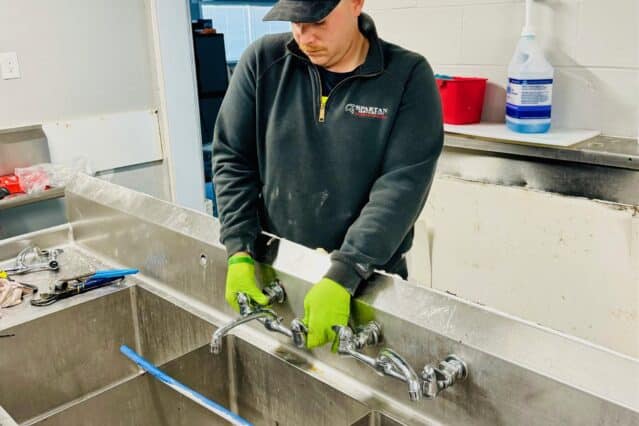
A drain problem rarely starts with a dramatic backup. Most of the time, it begins quietly. Water circles a little longer in the shower. The kitchen sink burps after the dishwasher empties. A bathroom drain picks up an odor that comes and goes. Homeowners live with these small annoyances for weeks, sometimes months, until one busy morning the system stops cooperating.
That pattern shows up again and again in residential plumbing. By the time a clog becomes urgent, the pipe has usually been collecting grease, soap residue, food particles, hair, lint, or scale for quite a while. Routine pipe care is what keeps those minor warning signs from turning into expensive service calls, flooring damage, or water where it does not belong.
For households looking into Residential Drain Cleaning Tacoma services, the larger issue is not just clearing a current blockage. It is protecting the plumbing system as a whole. Drains are part of the daily rhythm of a home. They are used hard, often ignored, and expected to work perfectly. When they are maintained with some consistency, they usually do.
The hidden cost of waiting
People tend to postpone drain service because the problem feels manageable. If the sink still drains eventually, it is easy to think the issue can wait. In practice, partial clogs often cost more over time than homeowners expect.
A slow kitchen line can trap grease and food waste, which narrows the pipe further every week. A tub drain that catches hair can start as a simple nuisance, then deepen into a more stubborn obstruction farther down the branch line. Once a clog compacts, routine snaking may not fully restore flow, especially if pipe walls are coated with heavy buildup. At that stage, cleaning becomes more involved, and if the problem has been repeated for long enough, there may be concern about the pipe condition itself.
There is also the cost that does not show up on an invoice. It is the stress of an unusable sink during dinner prep, the need to rotate showers between family members because one bathroom is backing up, or the unpleasant smell that greets guests near a laundry room floor drain. Plumbing issues tend to interrupt the ordinary parts of home life in very inconvenient ways.
Routine care does not eliminate every emergency. Tree roots, old pipe failures, or accidental misuse can still create sudden trouble. What it does do is reduce the frequency of preventable clogs, preserve flow, and help reveal bigger issues before they become crisis repairs.
Why Tacoma homes can benefit from regular drain attention
Every region has its own plumbing patterns, and homes in Tacoma are no exception. Housing stock varies widely, from older homes with aging drain lines to newer houses with modern materials that still face the same daily wear inside kitchen and bathroom plumbing. In older properties, cast iron or galvanized sections may have internal roughness or corrosion that grabs debris more easily. In newer systems, the pipe may be sound, but poor habits still create buildup.
Weather plays an indirect role as well. During wet seasons, drainage around the home and sump or perimeter systems can be under more pressure. While those systems are separate from interior sink and tub drains, the general reality is that moisture-related maintenance tends to become more visible when the weather turns. Homeowners who pay attention to plumbing before the rainy season often avoid stacking multiple water issues at once.
Local tree cover can matter, too. Yard and sewer line concerns are not the same as a clogged bathroom sink, but root intrusion in exterior lines is common enough in many established neighborhoods that recurring interior backups should never be written off as just bad luck. If more than one fixture is slow, or if a lower-level drain backs up when upstairs water is used, the issue may go beyond a single branch line.
That is one reason Residential Drain Cleaning Tacoma work should be approached as system care, not just symptom relief. The goal is to understand whether the problem is isolated, repeated, or part of a broader pattern in the home.
What routine pipe care actually means
Pipe care sounds technical, but the basics are straightforward. It means keeping debris out where possible, cleaning buildup before it hardens into a blockage, and paying attention to performance changes early. It also means using the right method for the right problem.
There is a difference between opening a clog and cleaning a line. A simple handheld auger might punch through a soft obstruction and get water moving again. That is useful. It is not always the same as fully removing the grease, sludge, soap, or hair coating the pipe walls. If the residue remains, the drain often slows down again in a matter of weeks or months.
Professional drain service usually starts with identifying where the restriction is and what is causing it. A bathroom lavatory line clogged with hair and toothpaste residue calls for a different approach than a kitchen line narrowed by grease. Main line issues are their own category entirely. Good pipe care is specific. It is based on material, age, usage patterns, fixture type, and how often the same drain has caused trouble before.
A household with four people, long hair, frequent cooking, and an older kitchen line will need a different maintenance rhythm than a one-person condo where the plumbing sees lighter use. That may sound obvious, but it matters. Drain care is rarely one-size-fits-all.
The signs homeowners should not ignore
Most serious backups announce themselves in advance. The problem is that the signs are easy to dismiss until they become impossible to ignore.
Here are five that usually justify a closer look:
- Water drains slowly in the same fixture more than once.
- Gurgling sounds happen after water goes down nearby drains.
- Odors rise from sinks, tubs, or floor drains with regular use.
- One fixture affects another, such as a toilet bubbling when a tub drains.
- A clog returns soon after being cleared.
When these symptoms repeat, the system is telling you something. A recurring slow drain is not just annoying, it is evidence that the blockage was only partly removed or that the line has an ongoing buildup issue. Cross-fixture symptoms are even more important. They often point to a shared branch line or main line problem rather than a single isolated clog.
Kitchens and bathrooms fail differently
Kitchen drains and bathroom drains may seem similar from the outside, but they clog for different reasons and usually require different maintenance habits.
The kitchen line deals with grease, oil, starches, coffee grounds, food scraps, and soap. Even homes that are careful with disposal habits can develop sticky residue in kitchen piping. Grease is a major factor because it does not stay liquid once it cools. It clings to the inside of the pipe, narrows the opening, and traps other debris passing by. That is why a sink may appear to drain fine for months and then suddenly stop after one heavier cooking day. The pipe has often been narrowing gradually in the background.
Bathroom drains are usually a combination problem. Hair catches first, then soap scum, toothpaste residue, skin oils, and lint from laundering or cleaning rags add to the mass. In tubs and showers, the trap area is a common collection point. In sink drains, the pop-up assembly often becomes coated long before the line itself is fully blocked.
Toilets are their own category because they involve both waste flow and paper. A toilet that clogs repeatedly may reflect drain line trouble, but it can also indicate a low-flow fixture mismatch, too much paper use at one time, or non-flushable items entering the system. Wipes remain one of the worst offenders, even those labeled flushable. Labels do not change the fact that many of these products do not break down in residential plumbing the way toilet paper does.
Why store-bought drain cleaners are often the wrong answer
A homeowner notices a slow drain, reaches for a chemical cleaner, and hopes for a quick fix. That routine is common, but it comes with drawbacks.
Chemical drain products can sometimes burn through a soft organic clog near the opening. They can also fail completely, leaving caustic liquid sitting in the trap or line. That becomes a hazard for anyone trying to work on the drain afterward. In older plumbing, repeated chemical use may contribute to deterioration, especially if the pipe already has corrosion or weak spots. Even when these products do not damage the line directly, they rarely address heavy wall buildup in a meaningful way.
There is also the issue of false confidence. A drain may seem improved after chemical use simply because standing water finally moved. The underlying residue often remains. A week later, or a month later, the problem returns.
Mechanical cleaning and inspection are more reliable because they address the physical blockage itself. If the drain is slow because the pipe has narrowed from grease or sludge, that material needs to be removed, not just exposed to a harsh liquid and hoped away.
Professional methods and when they matter
Not every clog requires advanced equipment, but the right tool matters. A small sink stoppage near the trap may be solved with basic cabling. A heavier kitchen line, repeated tub backup, or deeper branch obstruction may need more thorough mechanical cleaning. Main sewer line problems often demand inspection and higher-powered clearing methods.
Drain technicians generally think in terms of access, distance, pipe condition, and material type. If a line is fragile or old, the cleaning approach may need to be adjusted. More aggressive methods can be effective, but only when the pipe can handle them. This is where judgment matters more than force.
Camera inspections are especially helpful when symptoms repeat. They can reveal whether the issue is grease, root intrusion, scale, a belly in the line, offset joints, or structural damage. That difference is crucial. You do not want to keep paying for routine clearing if the real problem is a damaged section of pipe that will continue catching debris no matter how many times it is opened.
In practical terms, homeowners benefit most when drain service moves beyond “it’s clogged” and into “why is this clogging again?” That shift is where maintenance starts saving real money.
The maintenance mindset that prevents backups
Routine pipe care is not glamorous, but it works. The households with the fewest emergency calls are rarely the ones with perfect plumbing. They are usually the ones with decent habits and timely service.
A simple maintenance rhythm can make a noticeable difference:
- Use drain strainers where hair or food particles are common.
- Keep grease, oils, and coffee grounds out of the kitchen sink.
- Flush bathroom drains periodically with hot water, when appropriate for the piping, to help move soap residue before it thickens.
- Schedule professional cleaning when slow drains recur instead of waiting for a complete stoppage.
- Investigate repeated backups in multiple fixtures as a system issue, not a one-off annoyance.
What matters here is consistency. A homeowner does not need to become a plumbing expert. They just need to avoid the habits that feed clogs and respond early when the system starts showing stress.
One thing worth emphasizing is that “routine” does not mean excessive. Annual service may make sense for one home and be unnecessary for another. A household that cooks heavily and has older lines may benefit from scheduled kitchen drain cleaning. A small household in a newer home may need little more than occasional preventive attention. The right interval depends on the pattern of use and the history of the plumbing.
Real-world examples of how small issues grow
Consider a typical kitchen sink that drains a little slower after holiday cooking. Nothing dramatic, just enough standing water to notice. The homeowner tries hot water and dish soap, maybe even a bottle of cleaner, and the sink improves. Three weeks later, the dishwasher backs up into the sink during a full cycle. By then, the line is often carrying a thick band of grease with food particles embedded in it. What looked minor in December becomes a service call in January.
A bathroom version is just as common. A tub begins holding an inch of water during showers. Someone removes visible hair from the stopper and assumes the issue is handled. But the drain line below has already collected a rope-like mass of hair and soap. The shower drains slowly for another month, then one busy weekday the standing water no longer clears at all. If that same branch also serves a nearby sink, both fixtures may start showing symptoms.
There are also cases where the real issue sits farther out. A homeowner notices a first-floor shower backing up occasionally when the washing machine discharges. That detail is easy to miss because the shower itself is not being used at the time. In practice, this often suggests a shared line Residential Drain Cleaning Tacoma restriction. Clearing the shower drain opening will not solve it. System-level symptoms require system-level thinking.
Older pipes require more judgment
Routine care becomes especially important in aging homes. Older pipes often have interior surfaces that are rougher than modern materials. Cast iron, for example, can develop scale and internal corrosion over the years. That roughness catches debris and encourages buildup, which means clogs recur faster. The answer is not always more aggressive cleaning. Sometimes the better choice is careful maintenance combined with inspection so the homeowner understands the pipe’s remaining condition.
That trade-off matters. If a line is structurally sound but internally scaled, cleaning can restore useful flow and buy time. If the pipe is cracked, offset, or deteriorated beyond practical maintenance, repeated drain clearing becomes a short-term patch. Homeowners deserve to know the difference.
This is another reason professional evaluation is valuable. The right advice is not always “clean it and move on.” Sometimes it is “clean it now, but plan for repair later.” That kind of honest judgment is worth far more than a temporary opening in the line.
What homeowners can do between service visits
Good drain habits at home are less about special products and more about ordinary discipline. Scrape plates before rinsing them. Let grease cool and dispose of it properly instead of sending it down the sink. Clean stopper assemblies now and then. Pay attention to whether one fixture is changing, or several.
A useful rule of thumb is that a drain should not require heroics to function. If you need repeated plunging, homemade mixtures, or constant workarounds to keep a sink or tub usable, the line is asking for real attention. Waiting rarely improves the situation.
It also helps to know what not to do. Do not keep pushing a jammed toilet with repeated flushes if the bowl level is rising. Do not pour harsh chemicals into a line you may need someone to service by hand later. Do not assume a recurring backup is normal in an older house. Age explains some vulnerability, but it does not make repeated drain failure acceptable.
Choosing service with long-term value in mind
When homeowners search for Residential Drain Cleaning Tacoma providers, speed matters, especially during a backup. But long-term value comes from thoroughness. A quick opening is useful in an emergency. Lasting improvement comes from identifying the material causing the clog, assessing whether the line was actually cleaned or merely pierced through, and noting whether the problem is likely to return.
A good service visit should leave the homeowner with a clearer understanding of the drain’s condition and what habits or future maintenance will help. That might mean advice on kitchen disposal practices, a recommendation for periodic cleaning in a high-use line, or a warning that recurring backups suggest a deeper issue worth inspecting.
That practical clarity is the real benefit of routine pipe care. It keeps everyday plumbing dependable. It reduces surprise emergencies. It helps homeowners spend money where it solves a problem instead of where it only postpones one.
Drains are easy to ignore because most of their work happens out of sight. Yet few parts of a home affect comfort so directly when they fail. Keeping them clean, watching for early signs of trouble, and treating repeated clogs as meaningful signals rather than isolated inconveniences is one of the smartest ways to protect a house from preventable plumbing headaches. In a place like Tacoma, where homes vary widely in age and layout, that kind of steady maintenance is not overcautious. It is simply good ownership.
Spartan Plumbing Services
Address: 760 107th St S, Tacoma, WA 98444
Phone number: +12534998773
FAQ About Residential Drain Cleaning Tacoma
How much does it cost to have someone clean your drains?
Professional drain cleaning costs between $147 and $352 on average, with most homeowners paying around $246. The final price is heavily determined by the type of drain affected, the clearing method needed, and your geographic location.
How much does it cost to clean a drain line?
Professional drain cleaning costs between $147 and $352 on average, with most standard residential jobs landing right around $246. However, your final bill can scale from $100 to over $800 depending entirely on which drain is clogged and the method required to clear it.
Is professional drain cleaning worth it?
Yes, professional drain cleaning is worth it because it clears deep buildup and prevents expensive plumbing emergencies.